September 29, 2024
Generative AI


The New Era of Visual Creation Generative AI has evolved into one of the most transformative technologies of our time, particularly in the realm ...

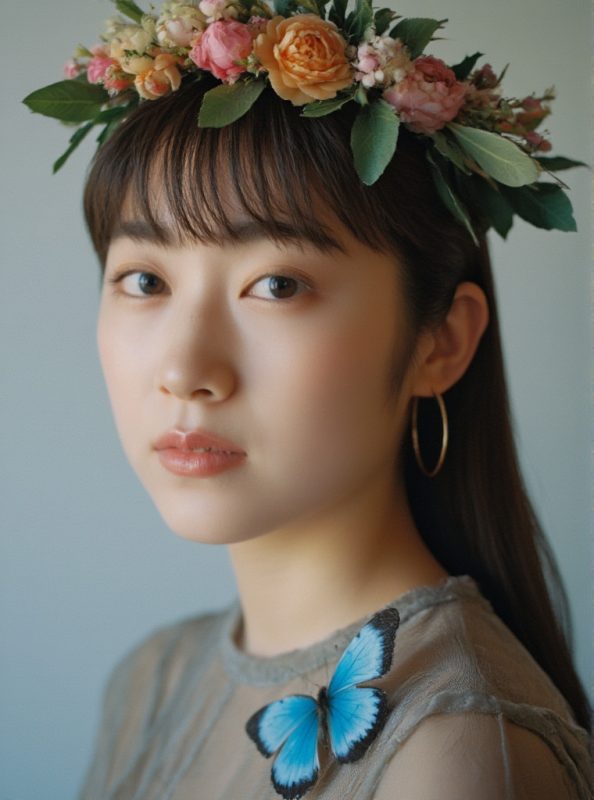
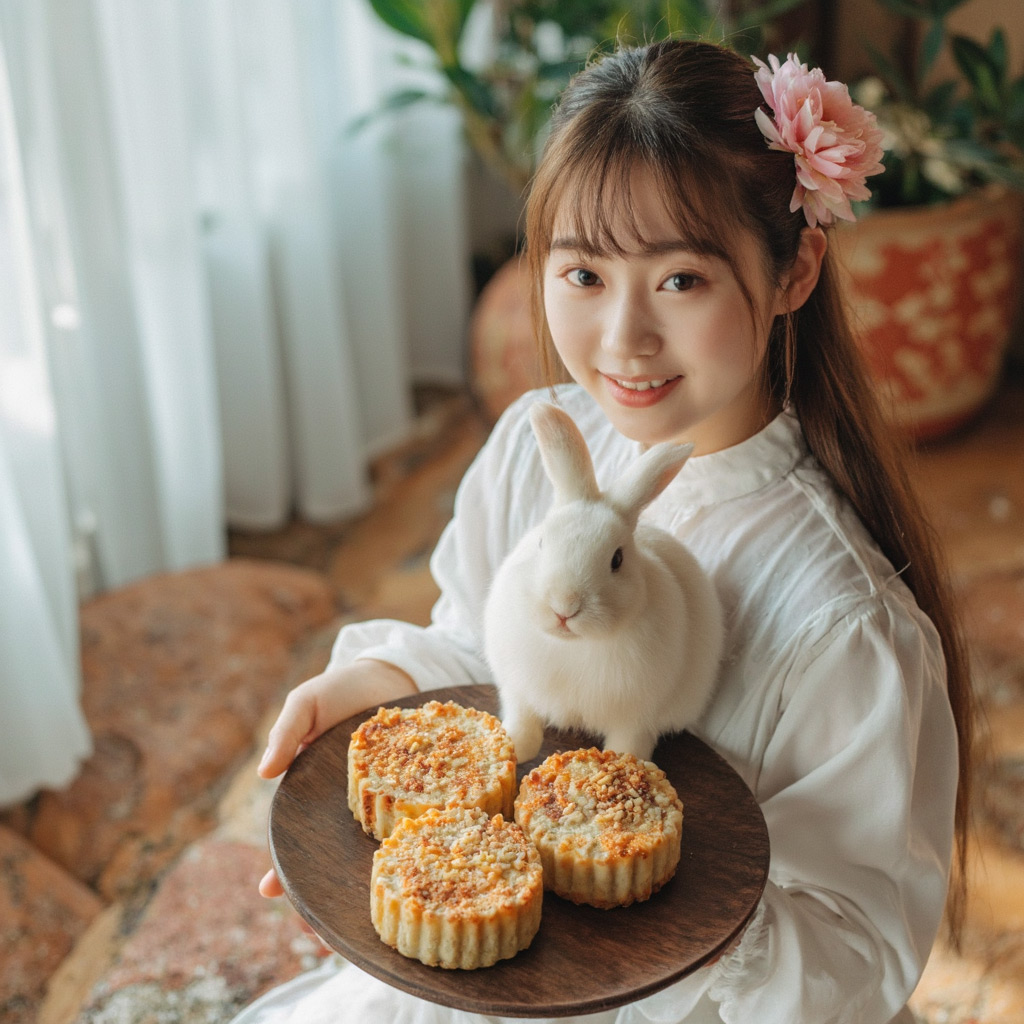
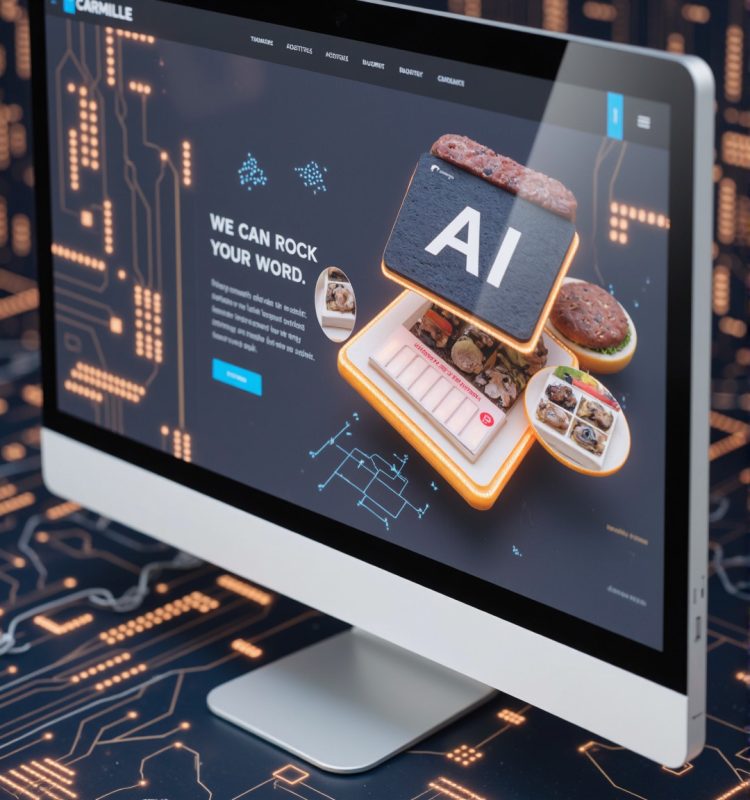
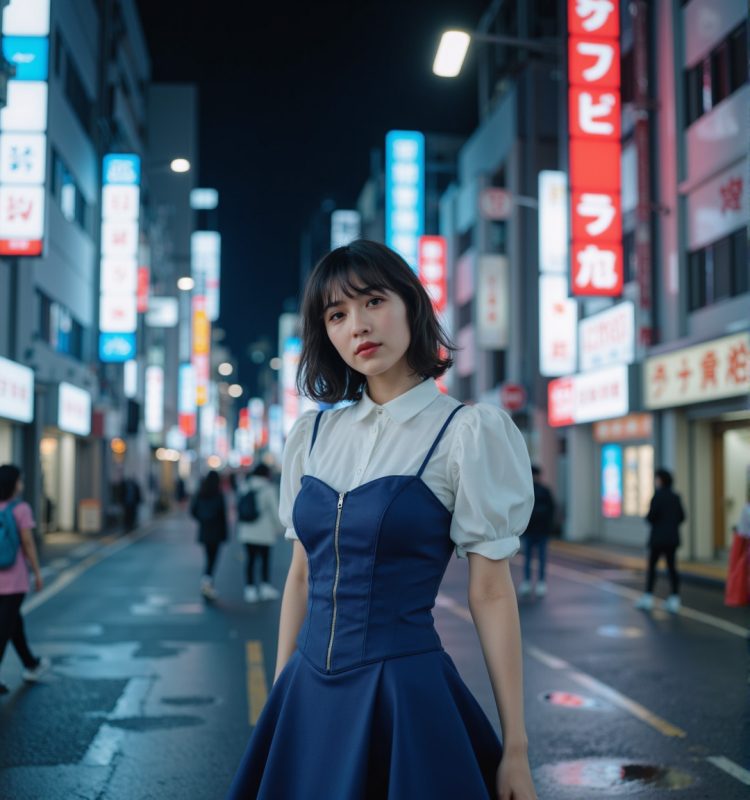
Generative AI has evolved into one of the most transformative technologies of our time, particularly in the realm of visual content. What began as experimental image synthesis has now matured into a powerful creative engine capable of producing ultra-realistic visuals, cinematic compositions, and entirely new forms of digital expression—all at the speed of thought.
In 2025, the capabilities of generative AI are no longer limited to simple prompt-to-image generation. The newest wave of AI systems is multimodal, context-aware, and creatively autonomous—blurring the boundary between human imagination and machine vision.
Modern visual AI platforms are now powered by next-gen foundation models that are trained across text, images, video, and 3D data. These models can generate entire scenes, simulate dynamic lighting, infer spatial relationships, and even create interactive content in real time.
Sora (OpenAI), Midjourney, Stability AI’s, Google’s Lumiere, Adobe Firefly, Runway etc… These platforms have moved beyond just visual realism—they now offer narrative consistency, spatial intelligence, and semantic depth, making them tools not just for artists, but for filmmakers, architects, advertisers, and developers alike.
Across industries, generative AI is replacing time-consuming and expensive content production processes with automated, high-quality, customizable creation pipelines:
🎮 Gaming – Creators can prototype game assets, textures, and characters on the fly, accelerating production pipelines.
🎥 Film & Media – AI is used for previsualization, storyboarding, VFX, and virtual actors.
📸 Advertising – Brands generate location-specific, personalized campaigns at scale—without a single photoshoot.
🛒 E-Commerce – Virtual try-ons, 3D product renders, and environment-based mockups are now generated instantly.
🏗️ Architecture & Design – Interior and exterior spaces are visualized from rough ideas or voice input.
Looking ahead, the next evolution of generative AI will be defined by intelligent interactivity and contextual awareness. Some of the trends to watch include:


With realism comes responsibility. Major players are integrating watermarking, bias control, and consent-based training datasets to ensure ethical deployment of generative visuals.
Real-Time Mixed Reality Generation
Generative AI will power AR/VR environments that evolve dynamically with user interaction—changing scenes, lighting, and objects based on gestures or voice commands.
3D and Spatial AI
Tools are now generating 3D objects and environments that can be used instantly in game engines or architectural software. Models understand depth, occlusion, and material physics.
Emotion-Aware Visuals
AI systems can now respond to mood, tone, and emotion, generating visuals that align with storytelling goals or user preferences.
Generative AI is not just a design tool — it’s a creative partner, reshaping how we communicate, visualize, and imagine. Whether you’re a filmmaker, marketer, artist, or entrepreneur, AI-powered visuals unlock a future where your concepts can materialize instantly, with precision, beauty, and intent.


#AI Generation, #AI Image, #AI KL, #AI Selangor, #AI Services, #Generative AI, #Malaysia AI
Loading...