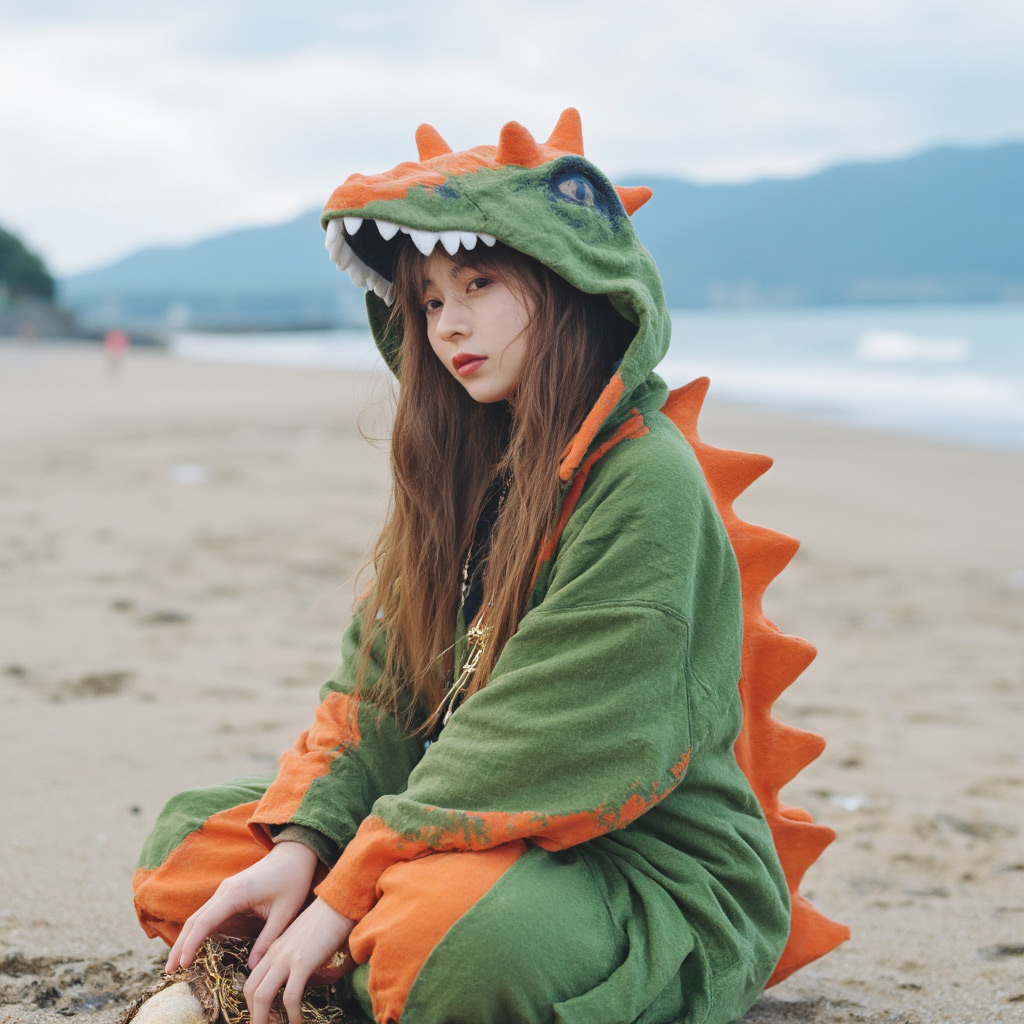

The Photorealism of AI
AI image generation now produces photorealistic results using models such as Nano Banana Pro, GPT Image 2 and FLUX.2. The models control light, texture and perspective with accuracy that matches real photography, moving beyond basic digital art to genuine photographic quality.
The systems learn from massive collections of real images. They capture how light interacts with surfaces, how skin shows imperfection, and how atmosphere creates depth and mood. The output is not a copy but a reconstruction of reality, built by neural networks that understand context, geometry and narrative together.
Modern diffusion architectures render wet pavement, glass transparency and dust‑scattered light with detail once limited to high‑end CGI. This changes pre‑visualisation, advertising, fashion, product and architectural work. The real advantage is the creative freedom: landscapes that cannot exist, portraits with deeper meaning, worlds that blend truth and fantasy without seams. AI is not merely copying reality; it is extending it.